
Technology Stack
Technology matters when it supports the system behind it. Automatikon works with selected platforms, protocols and device families chosen for reliability, integration quality and long-term maintainability.
This is not a catalogue of products. It is an overview of how technology is selected, structured and integrated as part of a coherent building system.
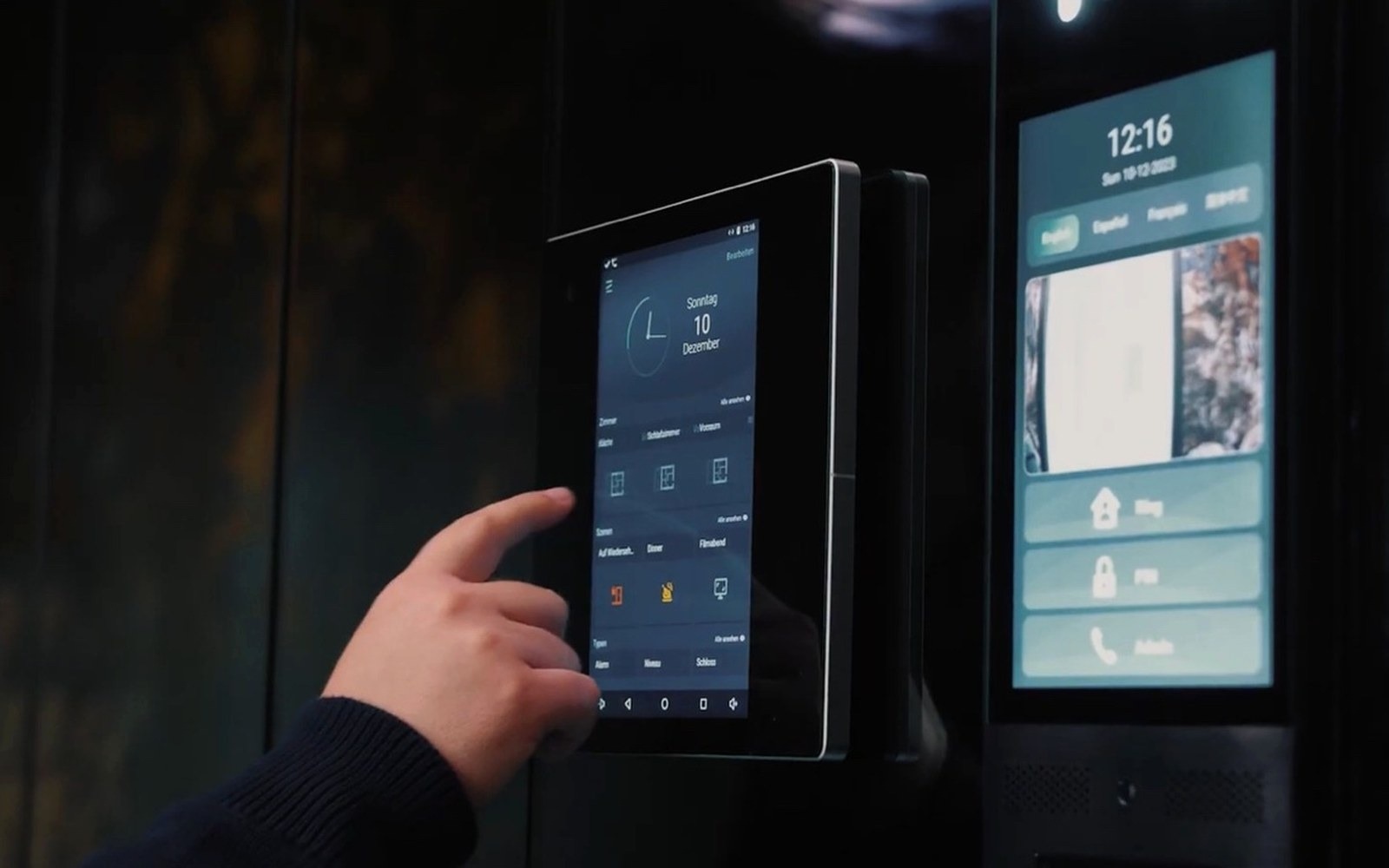
Technology selected for real-world reliability
Automatikon does not build systems around short-term price advantage or isolated product choices. Technology is selected according to how reliably it performs in real projects, how well it integrates with other system layers, and how maintainable it remains over time.
Because our work spans different markets, building types and operational contexts, we prioritize proven platforms, well-supported component manufacturers and structured communication layers over short-lifecycle choices made only to reduce initial cost.
Quality is not a branding exercise. It is an operational requirement.
Systems are built in layers, not around a single product
A well-designed building system is built through coordinated layers such as automation logic, field devices, network infrastructure, entry systems, communication standards and integration methods. The examples below describe the structure, not a closed limit of what can be integrated.
System logic at the centre
At the centre of every intelligent environment is system logic. Automatikon designs systems around behaviour, roles, schedules, presence, events and operational states rather than around isolated manual controls.
This orchestration layer may connect building functions such as lighting, climate, shading, access, energy, security, monitoring and many other integrated processes depending on project scope.
Automation is not a collection of actions. It is structured system behaviour.
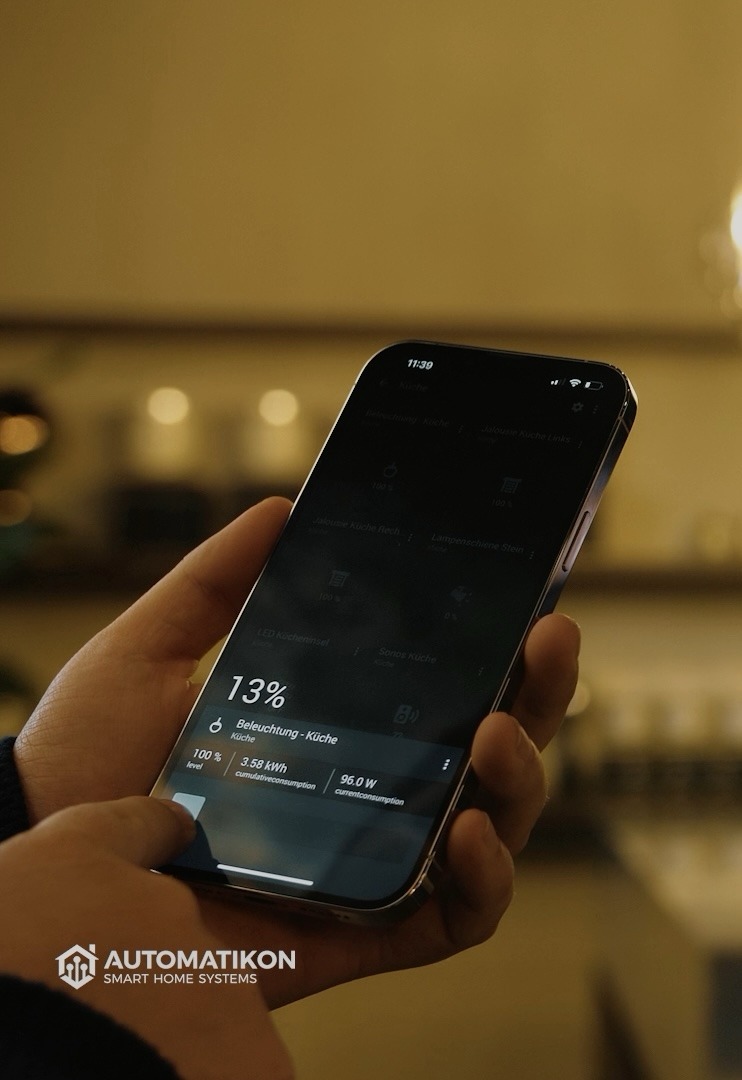
Selected components and field integration
The field layer includes devices and components that interact directly with the space — such as sensors, relays, locks, environmental devices, room-level controls, gateways and many other project-specific elements.
Component manufacturers used across projects have included brands such as Fibaro, Aeotec, Remotec, Sensative, Philio, Danalock, Yale, Aqara, Nuki and others, depending on functional, architectural and operational requirements.
These manufacturers are used as selected components within a broader Automatikon system architecture. They do not define the system itself.
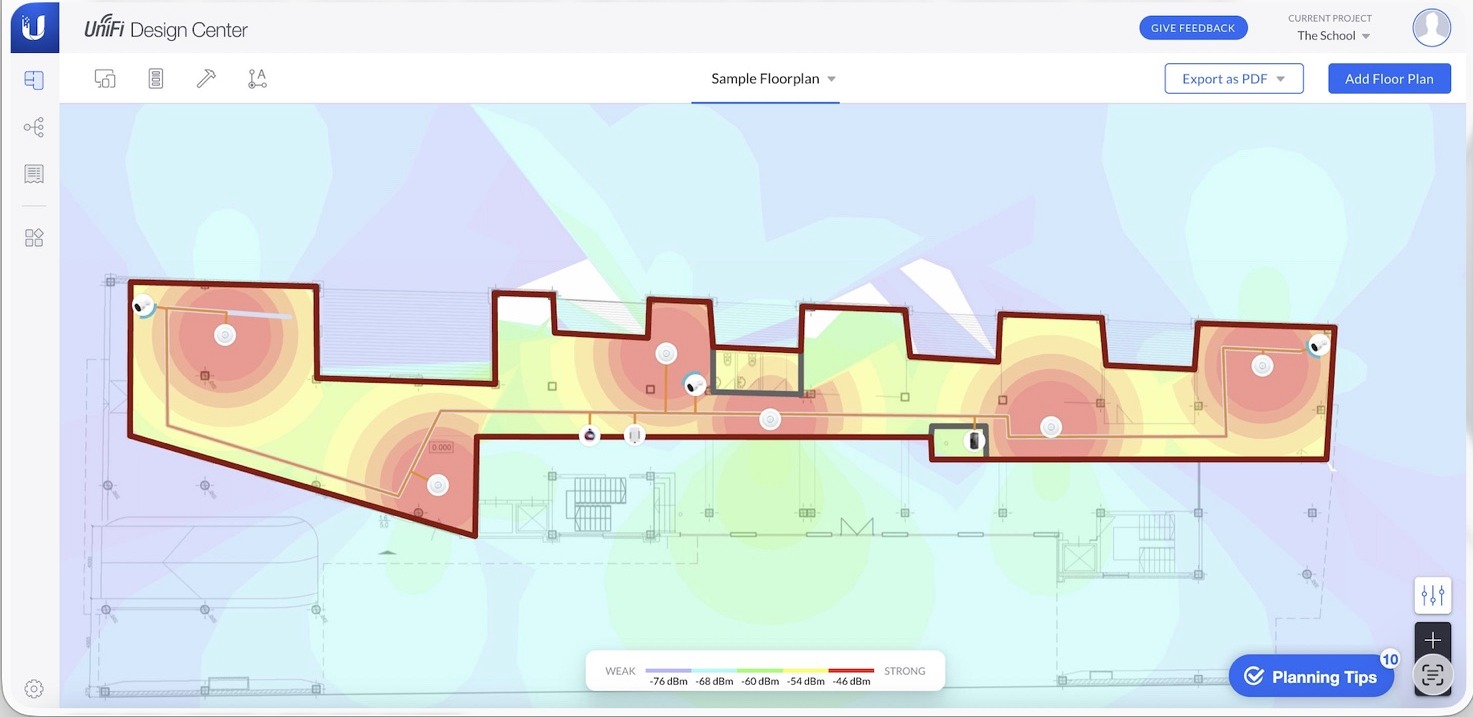
Network infrastructure as a system foundation
In many projects, network infrastructure forms the operational backbone of the environment. Structured switching, routing, Wi‑Fi coverage, segmentation, secure remote access, surveillance traffic, intercom connectivity and multi-site visibility all depend on a stable and well-designed IP layer.
Automatikon applies enterprise-grade architectural principles such as segmentation, role-based access, monitoring, resilient topology and controlled remote management through modern platforms appropriate for real buildings and real operations.
Selected network environments have primarily included UniFi and related infrastructure platforms, as well as additional connectivity components where required.
Entry, intercom and access platforms
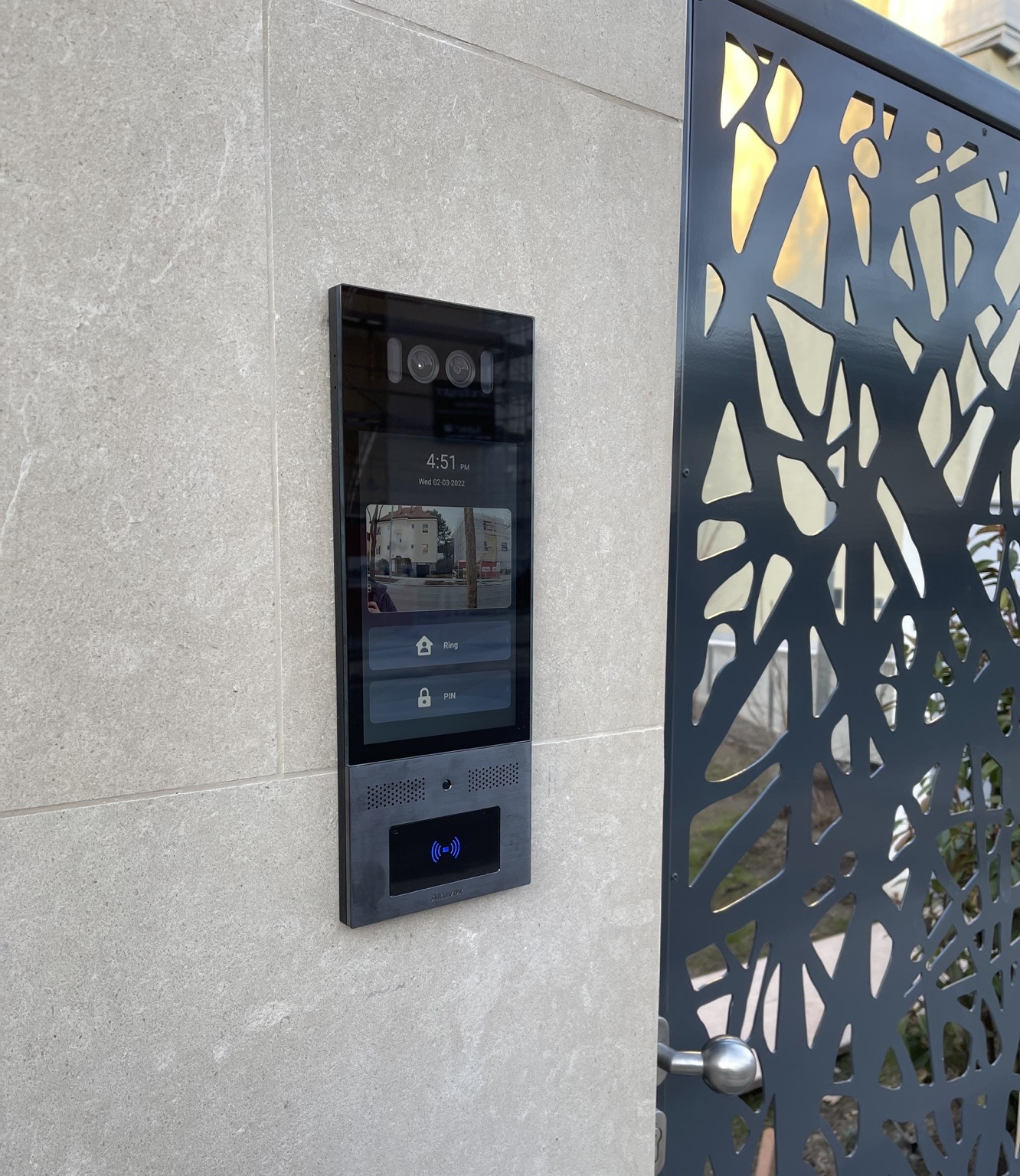
Entry systems define the first operational layer of a building. Depending on project type, this may include intercom platforms, remote answering, mobile credentials, role-based permissions, time-based access, gate and garage integration, event logging and connections to wider building logic.
Across multiple projects, selected access and intercom platforms have included systems such as Akuvox, as well as experience with 2N, DoorBird and other project-appropriate platforms.
KNX and other structured building standards
Automatikon is capable of working with KNX-based environments where projects, planners or technical requirements call for it. Experience includes servicing and reprogramming existing KNX installations, extending structured KNX-based systems and integrating KNX environments into broader automation and building logic where appropriate.
KNX is treated as one of several serious building technologies that may form part of a well-designed project.
Protocols, interfaces and integration methods
Modern building systems rarely operate through a single communication standard. Automatikon works across multiple communication layers and integration methods — including technologies such as IP-based systems, Z-Wave, Zigbee, KNX, API-based integrations, relay and dry-contact interfacing, and other structured methods used where appropriate.
The important point is not one protocol in isolation, but the ability to connect the right layers in a controlled and maintainable way.
A stack that adapts to the project
Technology is never static. Product platforms evolve, market expectations change and new integration possibilities continue to appear. What remains constant is the engineering logic behind the system.
Reliable systems are not defined by a single brand, but by how the full stack is selected, integrated and maintained.